Sourcing workflow
Sports ball supplier searches start with an answerable brief
Our independent service converts a buyer's intended sport, material and construction, dimensions and weight, quantity, decoration, packaging and destination into one supplier-response framework. It supports comparison; it does not certify a ball, own a factory or establish availability.
Submit procurement requirements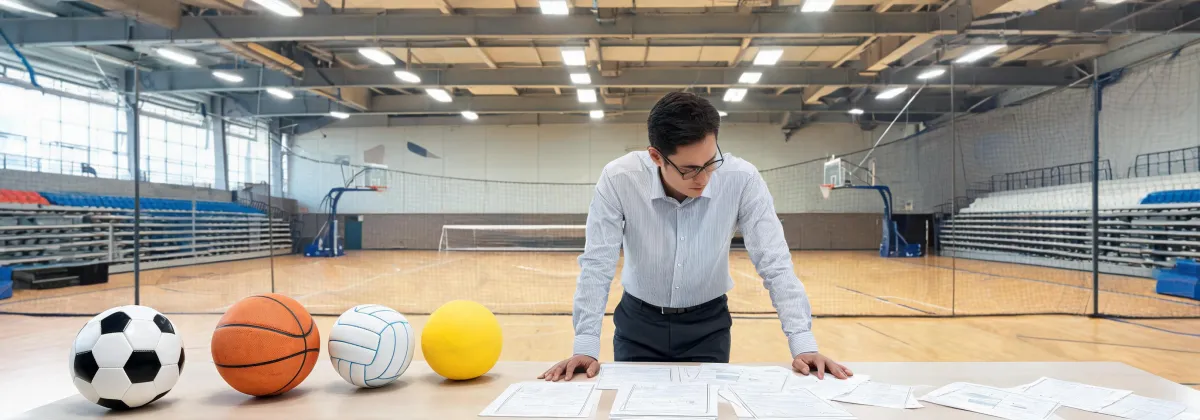
Four coordination lanes, each with a verification prompt
Specification alignment
Separate target requirements from supplier proposals. State the ball type, intended surface, user group, dimensions, weight, construction details to confirm, inflation or pressure assumptions where relevant, artwork and acceptable alternatives. Record units in oz, g, in or cm rather than relying on labels such as match or training.
Sample planning
Identify whether a sample is pre-production, custom-made or an existing reference. Link it to an artwork version and construction description. List observable checks for dimensions, weight, shape, surface finish, seams or panel joins, valve position, decoration and packaging. Performance conclusions require an agreed method and evidence for the quoted item.
Equivalent quote comparison
Normalize MOQ by design and color, unit basis, tooling or printing charges, sample charges, pack count, carton scope, trade terms, freight exclusions and requested timing. The optional budget must name currency and whether it is per piece or for the complete order. Supplier preference is a buyer priority, not our rating.
Document and next-step coordination
Request the document title, issuer, revision, model reference and applicability where evidence is needed. Product-family documents are not exact-model confirmation. Record unresolved items before sample approval or order discussion. Legal, testing and regulatory interpretation remains outside this sourcing service.
Keep one traceability chain
Buyer brief
Requirements, variants, units, artwork, destination and timing.
Factory quotation
Named configuration, prices, assumptions, exclusions and validity.
Reviewed sample
Sample identity, observations, deviations and decision owner.
Order scope
Accepted revision, packing, logistics basis and open evidence.
This chain is a review method, not proof that verification has already occurred. A changed cover, bladder, construction, artwork or pack basis reopens the related checks.